Urban Forest Master Plan
The City of Camrose, in partnership with the University of Alberta Augustana, is developing an Urban Forest Master Plan (UFMP). A UFMP is a high-level planning document that will guide the priorities and management of the trees and treed landscapes in Camrose. The plan will set goals, outline ways to meet those goals, and describe how success will be measured. Camrose’s urban forest includes trees on both public and private property, and the plan will include approaches for each, based on input from residents. Developing this plan will help ensure Camrose’s urban forest is managed in a way that reflects the needs and priorities of the community.
As the plan is developed, we will ask for public input so it reflects a range of views from across the city. The main ways to share input will be through a public survey and a mapping activity. The survey asks for your feedback on topics such as how satisfied you are with current tree management, where you would like to see more greenery, your vision for Camrose’s tree canopy, and how important trees are to the community. The mapping activity asks you to identify areas where you would like more trees, where you do not want more trees, where existing trees should be protected, and where trees may need to be removed.
The feedback we receive will help us understand what matters most to residents and will help ensure the UFMP reflects the many perspectives of people in Camrose.
Click here to take the survey. | Click here for the Community Tree Feedback Map.
-
Mayor Stasko Proclaims September 23 as National Tree Day in Camrose!
Share Mayor Stasko Proclaims September 23 as National Tree Day in Camrose! on Facebook Share Mayor Stasko Proclaims September 23 as National Tree Day in Camrose! on X (formerly Twitter) Share Mayor Stasko Proclaims September 23 as National Tree Day in Camrose! on Linkedin Email Mayor Stasko Proclaims September 23 as National Tree Day in Camrose! link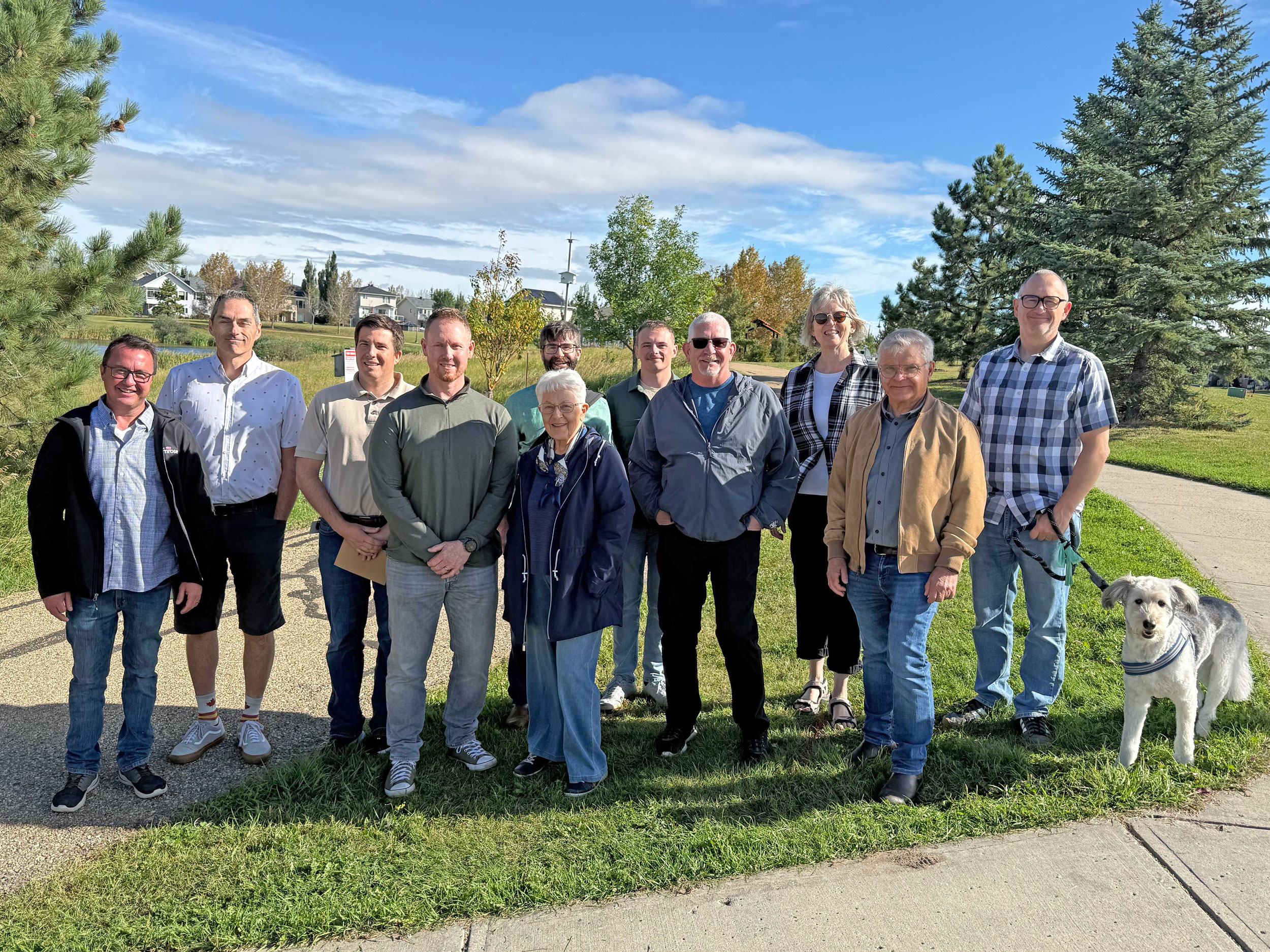
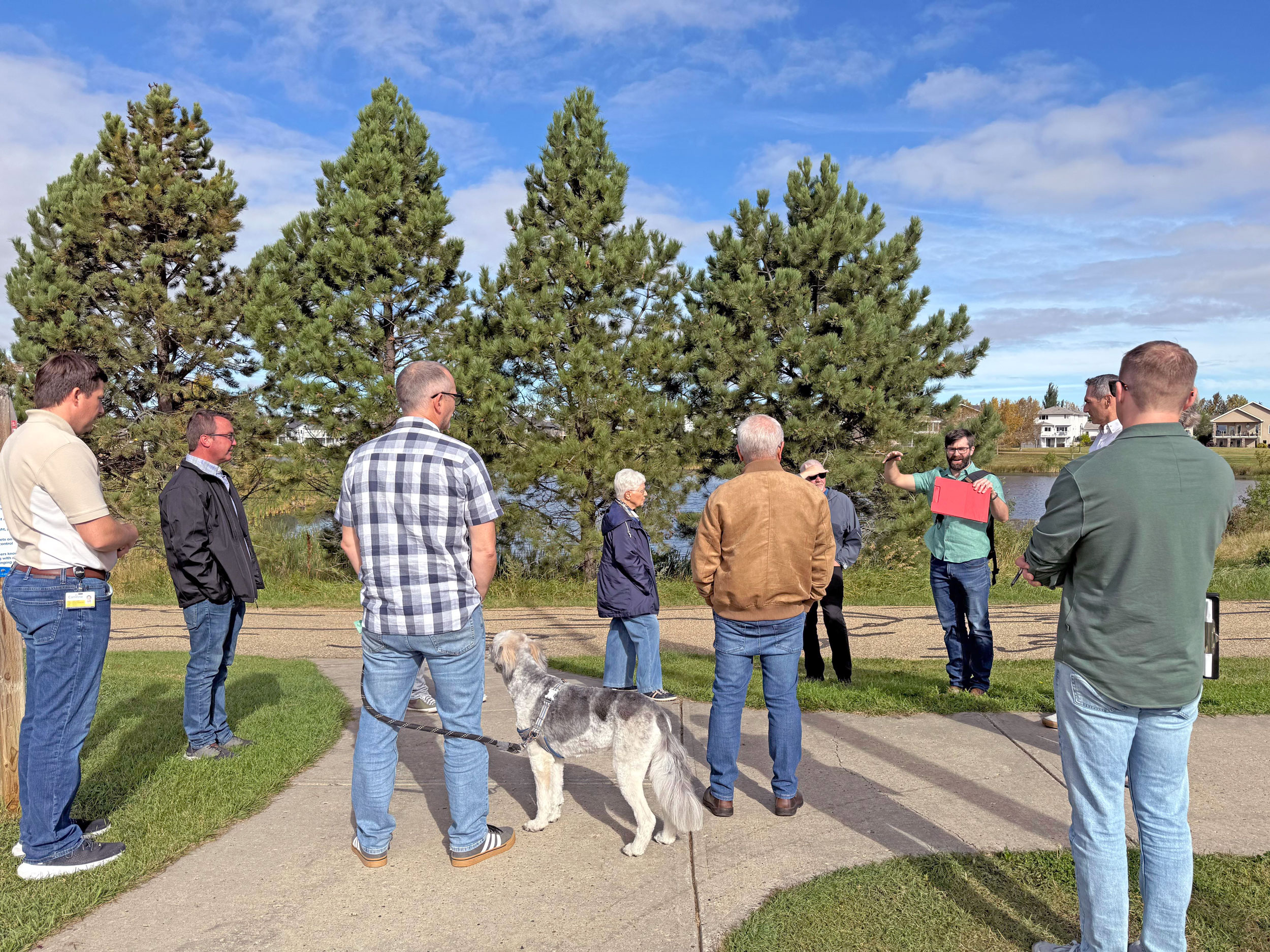
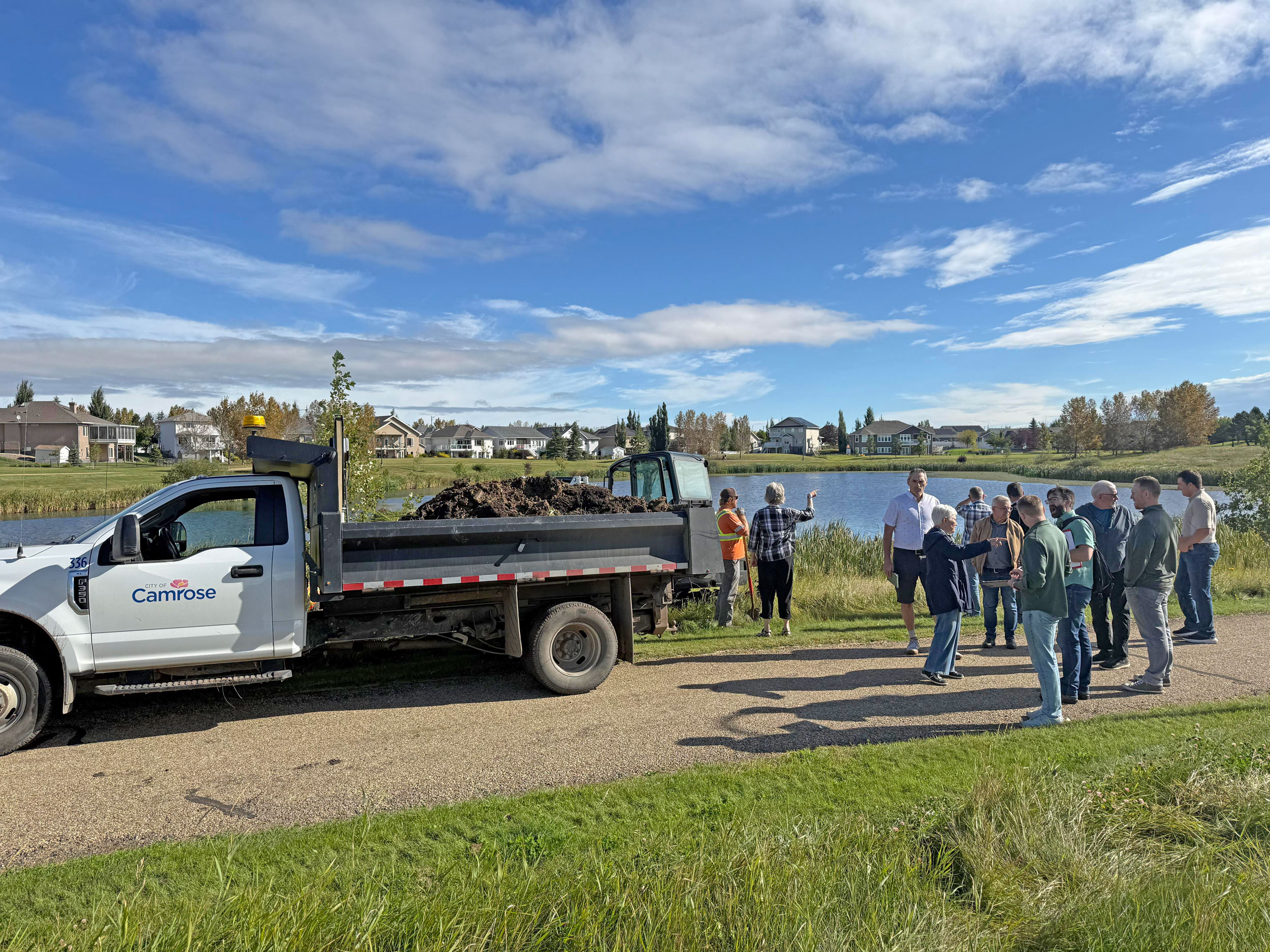
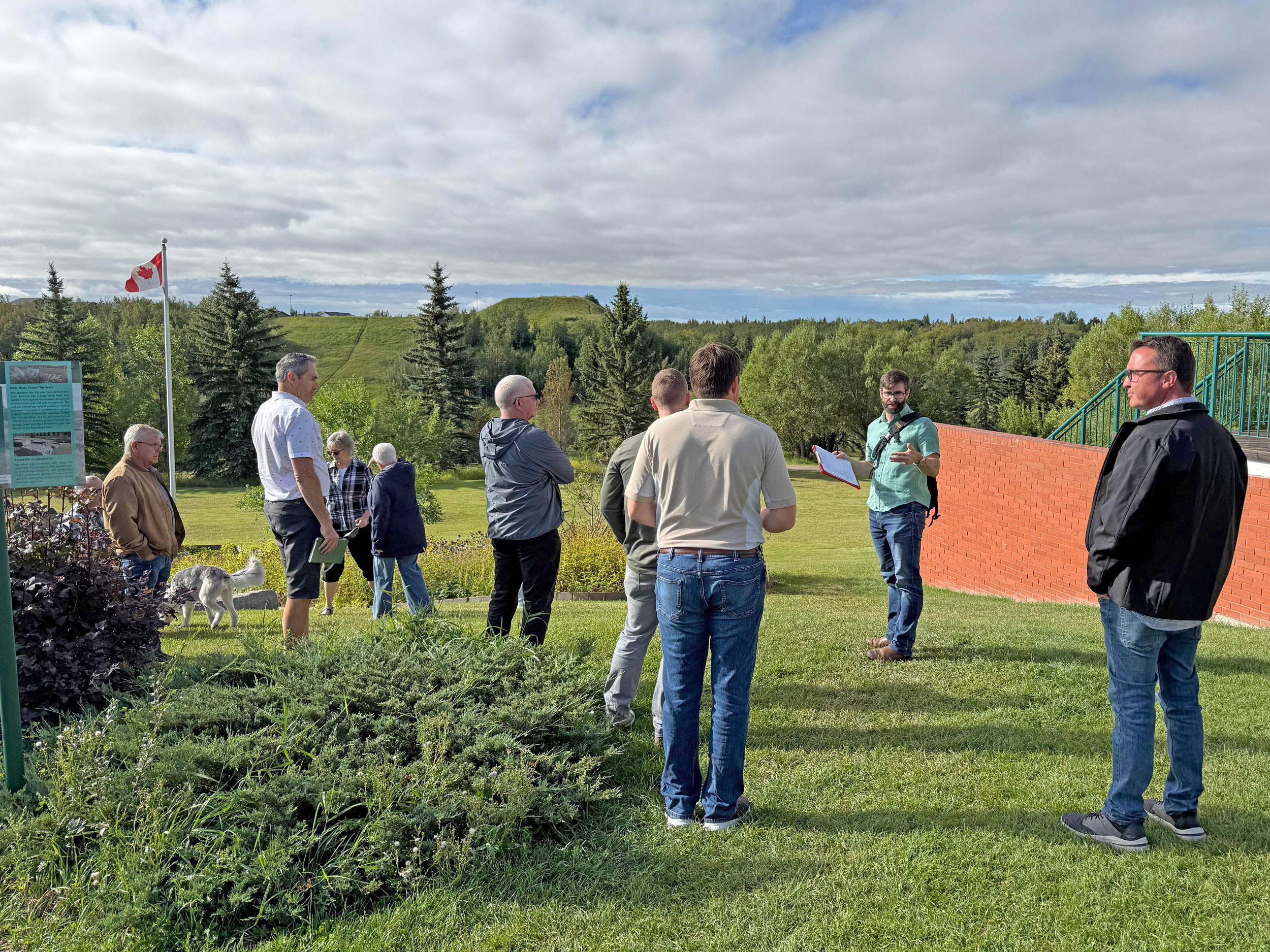
On September 23, 2026, Mayor PJ Stasko, on behalf of Camrose City Council, proclaimed National Tree Day in the City of Camrose, recognizing the important role trees play in the health, beauty, and sustainability of our community.
Earlier this month, members of Council and City staff toured locations throughout Camrose's urban forest to learn more about the benefits trees provide and the opportunities and challenges involved in caring for them. The tour offered a firsthand look at how trees contribute to neighbourhoods across Camrose and the important role they play in creating a healthy, resilient, and livable community.
Trees provide a wide range of environmental, economic, and social benefits. They help improve air quality, reduce urban heat, enhance biodiversity, support climate resilience, and contribute to the overall well-being of residents, both today and for future generations.
As the City develops its Urban Forest Master Plan, National Tree Day serves as a reminder of the importance of thoughtful planning and stewardship to help ensure Camrose's urban forest continues to thrive. Community input will play an important role in shaping the plan and helping guide the future of trees and green spaces throughout the city.
-
Funding Recognition
Share Funding Recognition on Facebook Share Funding Recognition on X (formerly Twitter) Share Funding Recognition on Linkedin Email Funding Recognition linkThis project was made possible through a $100,000 grant funded by the Government of Canada through the Federation of Canadian Municipalities' (FCM) Growing Canada's Community Canopies initiative.
About FCM's Green Municipal Fund
FCM’s Green Municipal Fund (GMF) is a globally unique organization providing funding and education to municipalities to help them both reach net-zero and build resilient communities, while also delivering economic and social benefits such as jobs, housing and infrastructure. Since inception in 2000, it has helped reduce greenhouse gas emissions by 3.02 million tonnes, funded nearly 60,000 person-years of employment and contributed $5.6 billion to the national GDP via the more than 2,850 approved projects. GMF manages approximately $2.4 billion in programs funded by the Government of Canada.
-

Phone (780) 672-9195 Email rpoole@camrose.ca -

Phone (780) 679-1181 Email gking@ualberta.ca -
RP
Phone (780) 672-9195 Email rpattullo@camrose.ca