Share 2026 Heritage Survey and Inventory Approved by Camrose City Council on Facebook
Share 2026 Heritage Survey and Inventory Approved by Camrose City Council on X (formerly Twitter)
Share 2026 Heritage Survey and Inventory Approved by Camrose City Council on Linkedin
Email 2026 Heritage Survey and Inventory Approved by Camrose City Council link
On July 20, 2026 Camrose City Council officially approved the 2026 Heritage Survey and Inventory marking the successful completion of this project. The final Heritage Survey and Inventory was presented to Council with the support of the Heritage Advisory Committee and Stantec Consulting.
We would like to sincerely thank everyone who contributed to this project and we appreciate all those who participated in the public engagement process by completing the public survey and attending the community open house. Your feedback played an important role in shaping the final document.
We would also like to extend our gratitude to the members of the Heritage Advisory Committee for their dedication throughout the project. Their time, thoughtful review of the document, valuable input, and ongoing participation were instrumental in the successful completion of the Heritage Survey and Inventory.
The final 2026 Heritage Survey and Inventory is available on the City of Camrose website under Plans, Reports and Studies.
On July 20, 2026 Camrose City Council officially approved the 2026 Heritage Survey and Inventory marking the successful completion of this project. The final Heritage Survey and Inventory was presented to Council with the support of the Heritage Advisory Committee and Stantec Consulting.
We would like to sincerely thank everyone who contributed to this project and we appreciate all those who participated in the public engagement process by completing the public survey and attending the community open house. Your feedback played an important role in shaping the final document.
We would also like to extend our gratitude to the members of the Heritage Advisory Committee for their dedication throughout the project. Their time, thoughtful review of the document, valuable input, and ongoing participation were instrumental in the successful completion of the Heritage Survey and Inventory.
The final 2026 Heritage Survey and Inventory is available on the City of Camrose website under Plans, Reports and Studies.
Share Camrose Heritage Survey and Inventory Presented to Council on Facebook
Share Camrose Heritage Survey and Inventory Presented to Council on X (formerly Twitter)
Share Camrose Heritage Survey and Inventory Presented to Council on Linkedin
Email Camrose Heritage Survey and Inventory Presented to Council link
On June 22, 2026, Administration presented the final draft of the Heritage Survey and Inventory project to Committee of the Whole Council in collaboration with the Heritage Advisory Committee and Stantec. The updated inventory is a project that Administration has been working on with Stantec since 2025.
The Heritage Inventory adds to the number of sites that are considered historic and updates each corresponding Statement of Significance to reflect current conditions of each site. The Heritage Inventory captures a broad range of resources, including residential, commercial, civic, institutional, religious, and agricultural buildings, as well as cultural heritage landscapes and sites that may warrant future consideration.
The 2026 Heritage Inventory includes:
- 4 provincially designated heritage resources;
- 7 municipally designated heritage resources;
- 31 non-designated heritage resources comprising of:
- 14 residential properties;
- 10 commercial properties; and
- 7 places of worship, institutional, civic, and other properties;
- 5 non-designated cultural heritage landscapes;
- 73 inventoried properties of potential cultural heritage value; and
- 3 altered or demolished built heritage resources previously identified in the 2011 survey.
Public engagement opportunities included a survey, open house and information on the OurCamrose project page. The project team would like to thank the public for their participation in the survey and attendance at the open house. A final draft of the Heritage Survey and Inventory will be presented to Council at the Regular meeting on July 20th.
On June 22, 2026, Administration presented the final draft of the Heritage Survey and Inventory project to Committee of the Whole Council in collaboration with the Heritage Advisory Committee and Stantec. The updated inventory is a project that Administration has been working on with Stantec since 2025.
The Heritage Inventory adds to the number of sites that are considered historic and updates each corresponding Statement of Significance to reflect current conditions of each site. The Heritage Inventory captures a broad range of resources, including residential, commercial, civic, institutional, religious, and agricultural buildings, as well as cultural heritage landscapes and sites that may warrant future consideration.
The 2026 Heritage Inventory includes:
- 4 provincially designated heritage resources;
- 7 municipally designated heritage resources;
- 31 non-designated heritage resources comprising of:
- 14 residential properties;
- 10 commercial properties; and
- 7 places of worship, institutional, civic, and other properties;
- 5 non-designated cultural heritage landscapes;
- 73 inventoried properties of potential cultural heritage value; and
- 3 altered or demolished built heritage resources previously identified in the 2011 survey.
Public engagement opportunities included a survey, open house and information on the OurCamrose project page. The project team would like to thank the public for their participation in the survey and attendance at the open house. A final draft of the Heritage Survey and Inventory will be presented to Council at the Regular meeting on July 20th.
Share Community Open House on May 21, 2026 on Facebook
Share Community Open House on May 21, 2026 on X (formerly Twitter)
Share Community Open House on May 21, 2026 on Linkedin
Email Community Open House on May 21, 2026 link

Join us on May 21, 2026 at our Open House to explore our Heritage Survey and Inventory project! Talk to our team, browse our presentation about selected properties and heritage resources, and share your local knowledge and feedback to help us preserve the story of Camrose for future generations.
The Open House is being held from 4:30PM—6:30PM at the Bill Fowler Visitor Information Centre.
For those interested parties who are unable to attend, we have included the following informational posters below.


Join us on May 21, 2026 at our Open House to explore our Heritage Survey and Inventory project! Talk to our team, browse our presentation about selected properties and heritage resources, and share your local knowledge and feedback to help us preserve the story of Camrose for future generations.
The Open House is being held from 4:30PM—6:30PM at the Bill Fowler Visitor Information Centre.
For those interested parties who are unable to attend, we have included the following informational posters below.
Share Did you Know that Mirror Lake was Originally Built to Power Camrose? on Facebook
Share Did you Know that Mirror Lake was Originally Built to Power Camrose? on X (formerly Twitter)
Share Did you Know that Mirror Lake was Originally Built to Power Camrose? on Linkedin
Email Did you Know that Mirror Lake was Originally Built to Power Camrose? link
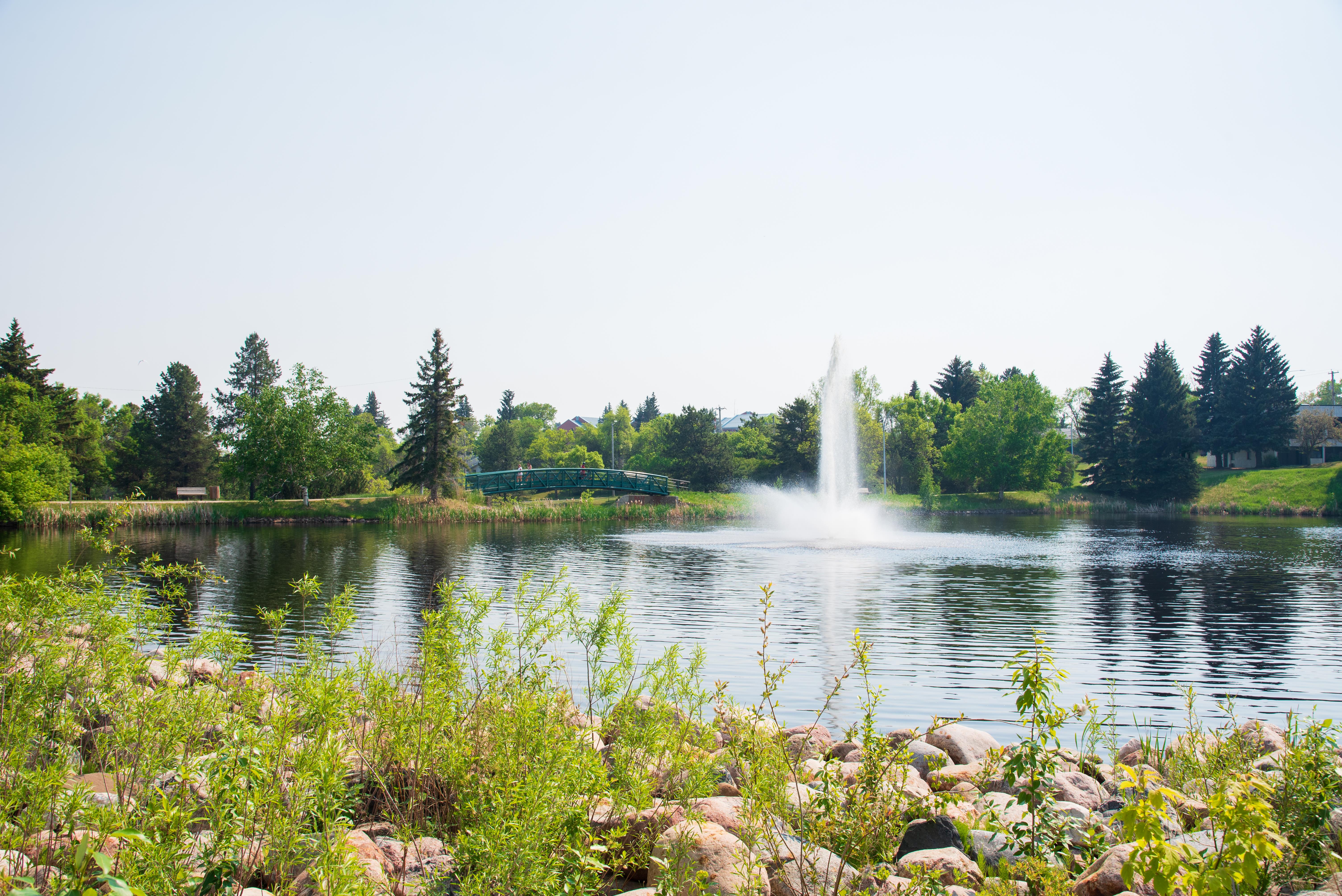
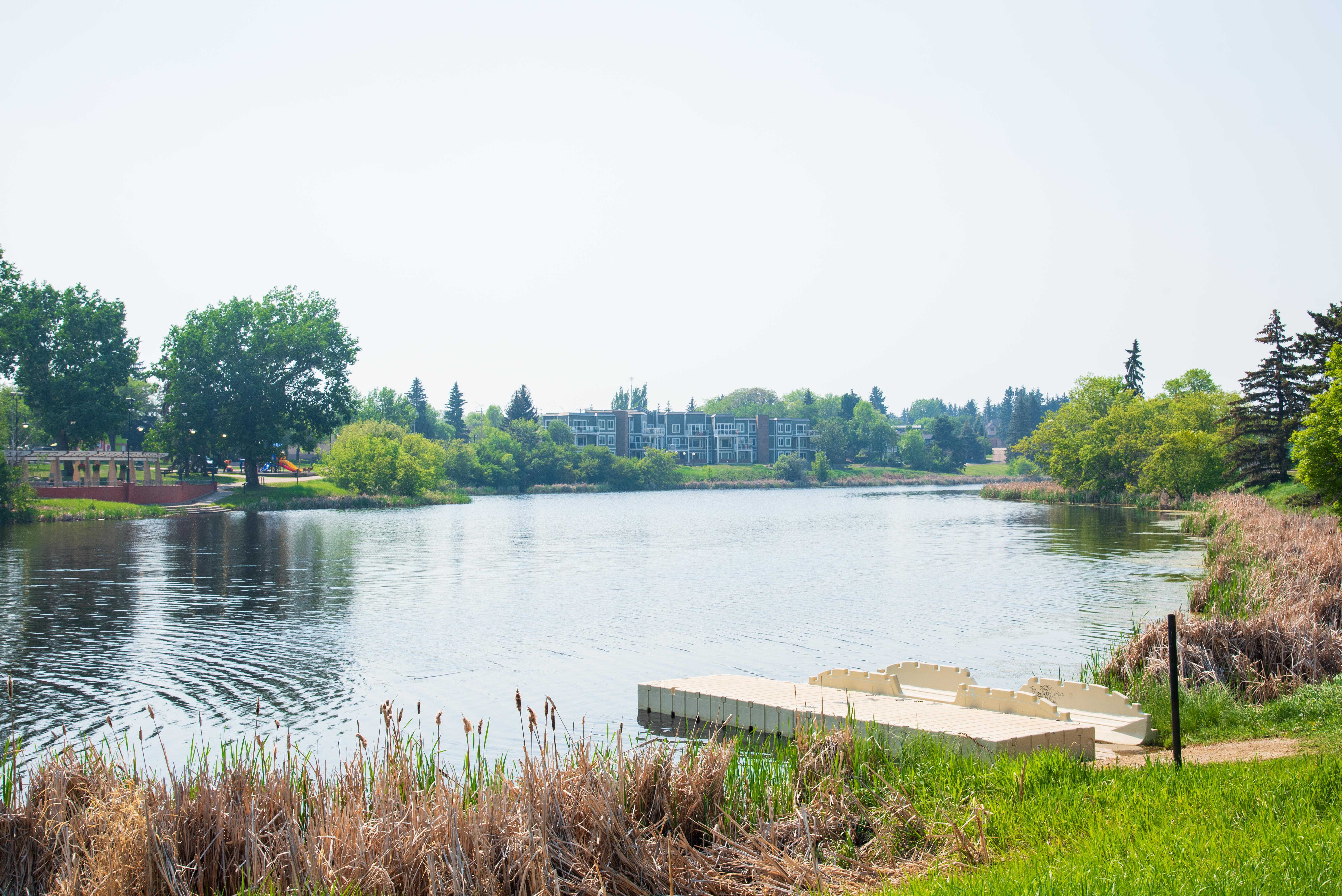
Mirror Lake is more than just a beautiful setting; it tells the story of Camrose’s early growth and development. Established in 1905, the lake was originally constructed by the Canadian Pacific Railway as a water source for steam locomotives. Infrastructure around the lake, including a pump house and water tower, supported rail operations and helped establish Camrose as a key stop along the line. The lake also became part of the town’s early utility systems, supplying water and supporting power generation in the early 20th century. Over the decades, as infrastructure needs changed, the lake was no longer required for these purposes and was transformed into a public recreational area. Today, Mirror Lake remains a defining feature of the city, valued both for its history and its role as a gathering place for residents and visitors alike.
Mirror Lake is more than just a beautiful setting; it tells the story of Camrose’s early growth and development. Established in 1905, the lake was originally constructed by the Canadian Pacific Railway as a water source for steam locomotives. Infrastructure around the lake, including a pump house and water tower, supported rail operations and helped establish Camrose as a key stop along the line. The lake also became part of the town’s early utility systems, supplying water and supporting power generation in the early 20th century. Over the decades, as infrastructure needs changed, the lake was no longer required for these purposes and was transformed into a public recreational area. Today, Mirror Lake remains a defining feature of the city, valued both for its history and its role as a gathering place for residents and visitors alike.
Share Did You Know that Tucks Hill has been a popular tobogganing spot since at least the 1950s? on Facebook
Share Did You Know that Tucks Hill has been a popular tobogganing spot since at least the 1950s? on X (formerly Twitter)
Share Did You Know that Tucks Hill has been a popular tobogganing spot since at least the 1950s? on Linkedin
Email Did You Know that Tucks Hill has been a popular tobogganing spot since at least the 1950s? link
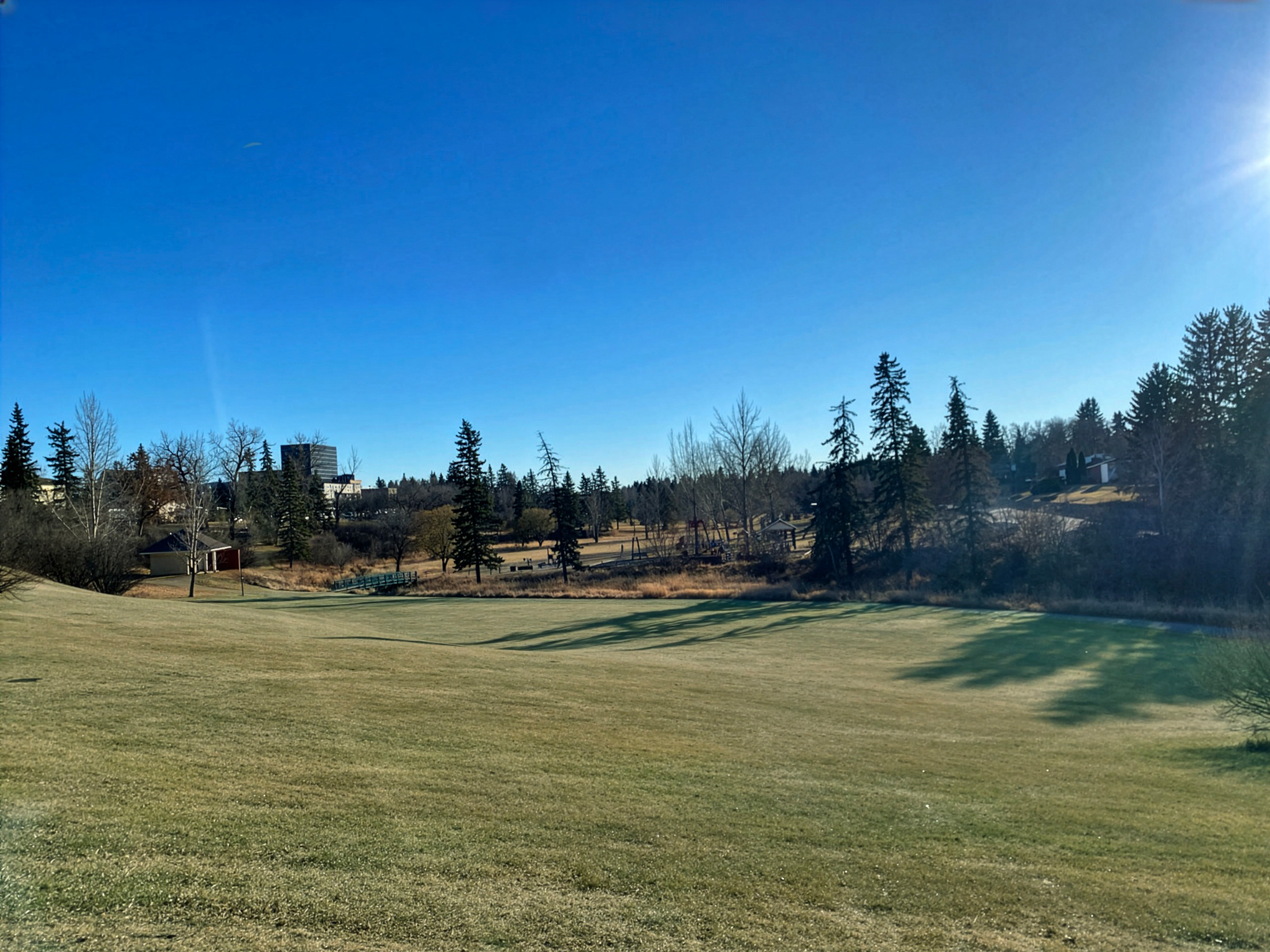
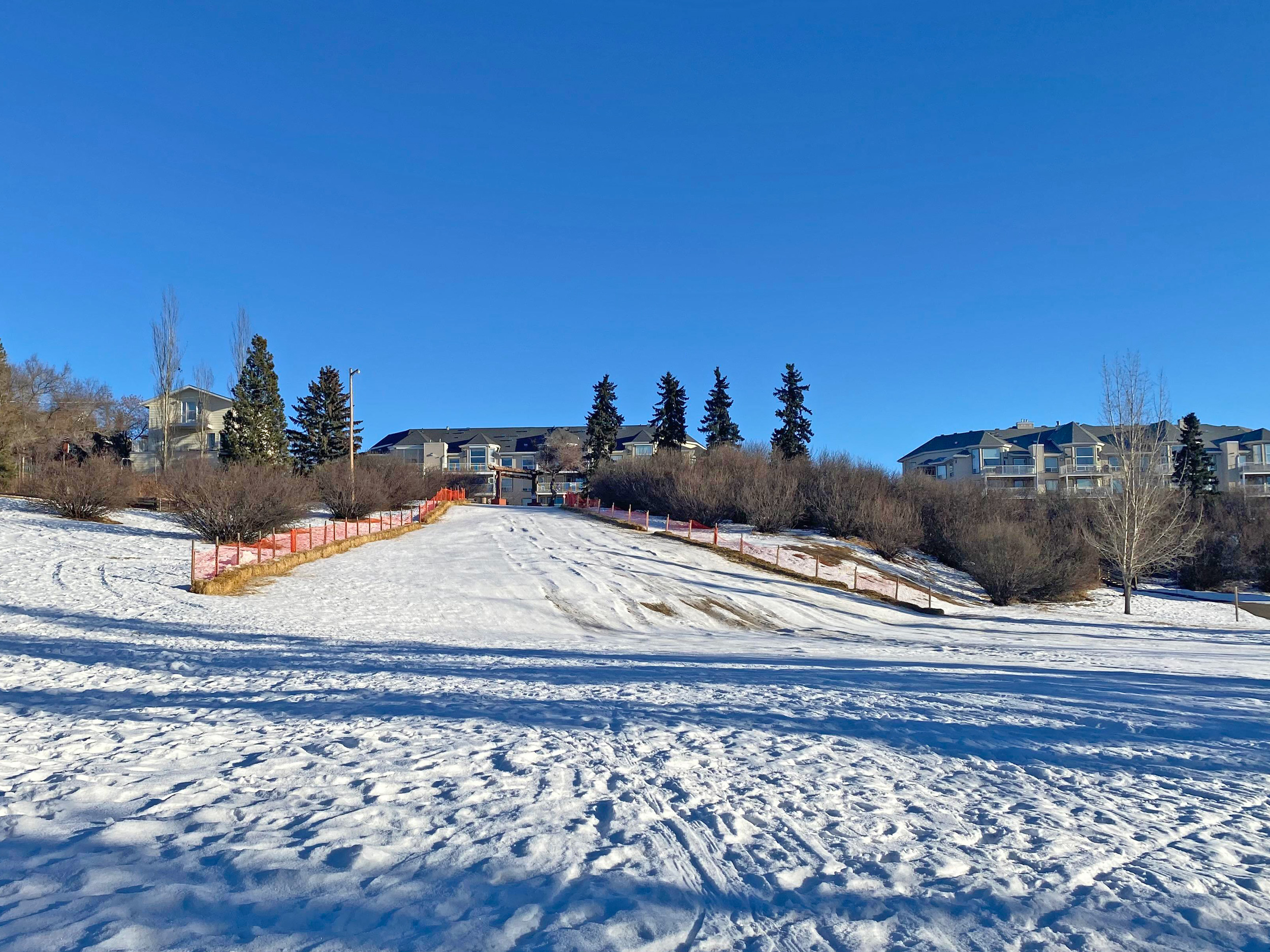
Tucks Hill, located at the edge of Jubilee Park, was owned in the early 20th century by Dr. John Raphael Tuck. Tuck was a teacher at the Camrose Normal School, starting in 1912, and lived in a residence at the top of the hill. In 1940, the Tuck family sold the property to the Kehoe family.
In 1941, the Camrose Elks, a local charitable organization, was granted special permission to begin work on a new park in Camrose. This park, would become Jubilee Park, and would include Tucks Hill. The park was initially called the Elks Park.
Tucks Hill, located at the edge of Jubilee Park, was owned in the early 20th century by Dr. John Raphael Tuck. Tuck was a teacher at the Camrose Normal School, starting in 1912, and lived in a residence at the top of the hill. In 1940, the Tuck family sold the property to the Kehoe family.
In 1941, the Camrose Elks, a local charitable organization, was granted special permission to begin work on a new park in Camrose. This park, would become Jubilee Park, and would include Tucks Hill. The park was initially called the Elks Park.
Share Did you know the Bailey Theatre was first founded by rancher Camille David in the early 20th century? on Facebook
Share Did you know the Bailey Theatre was first founded by rancher Camille David in the early 20th century? on X (formerly Twitter)
Share Did you know the Bailey Theatre was first founded by rancher Camille David in the early 20th century? on Linkedin
Email Did you know the Bailey Theatre was first founded by rancher Camille David in the early 20th century? link
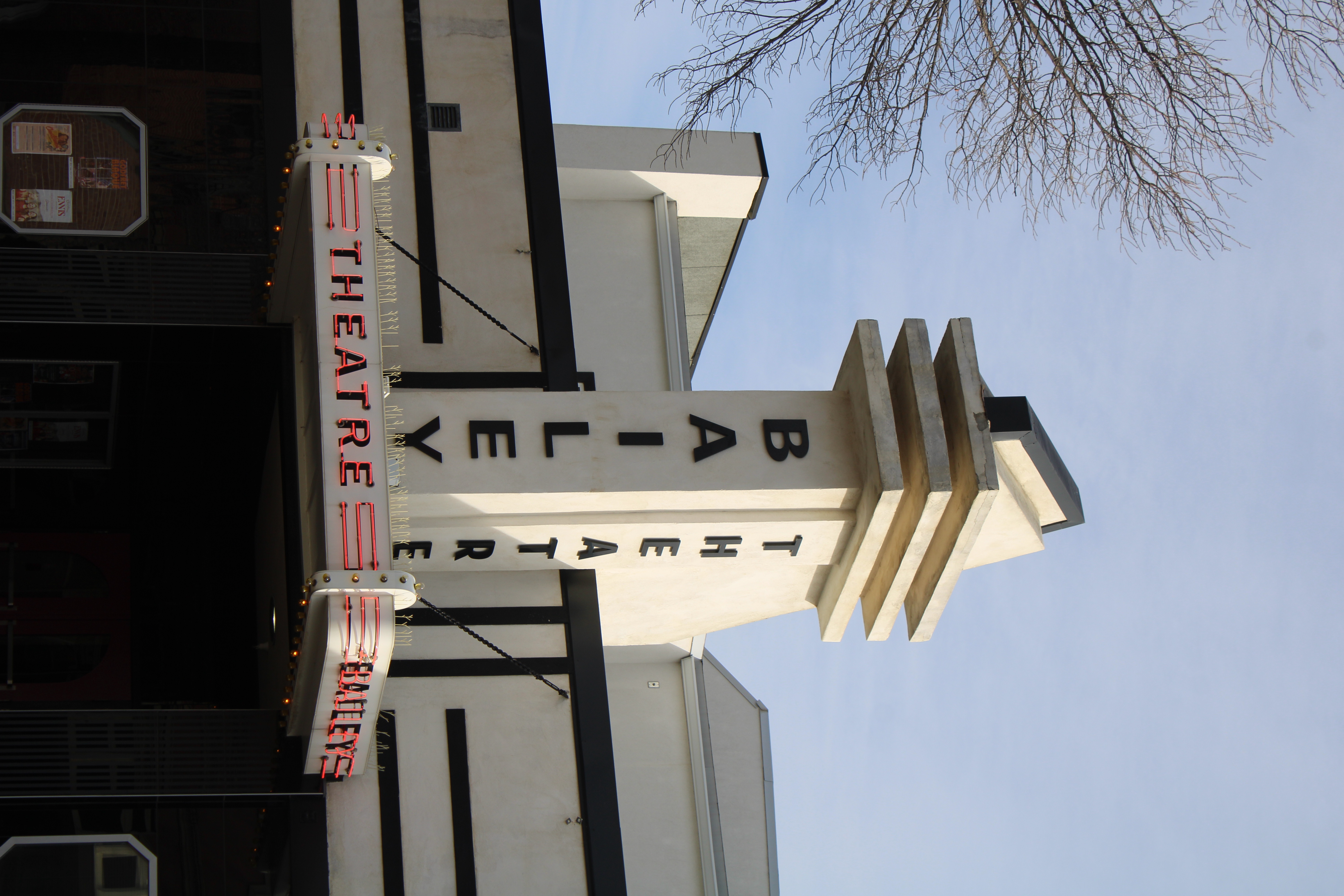
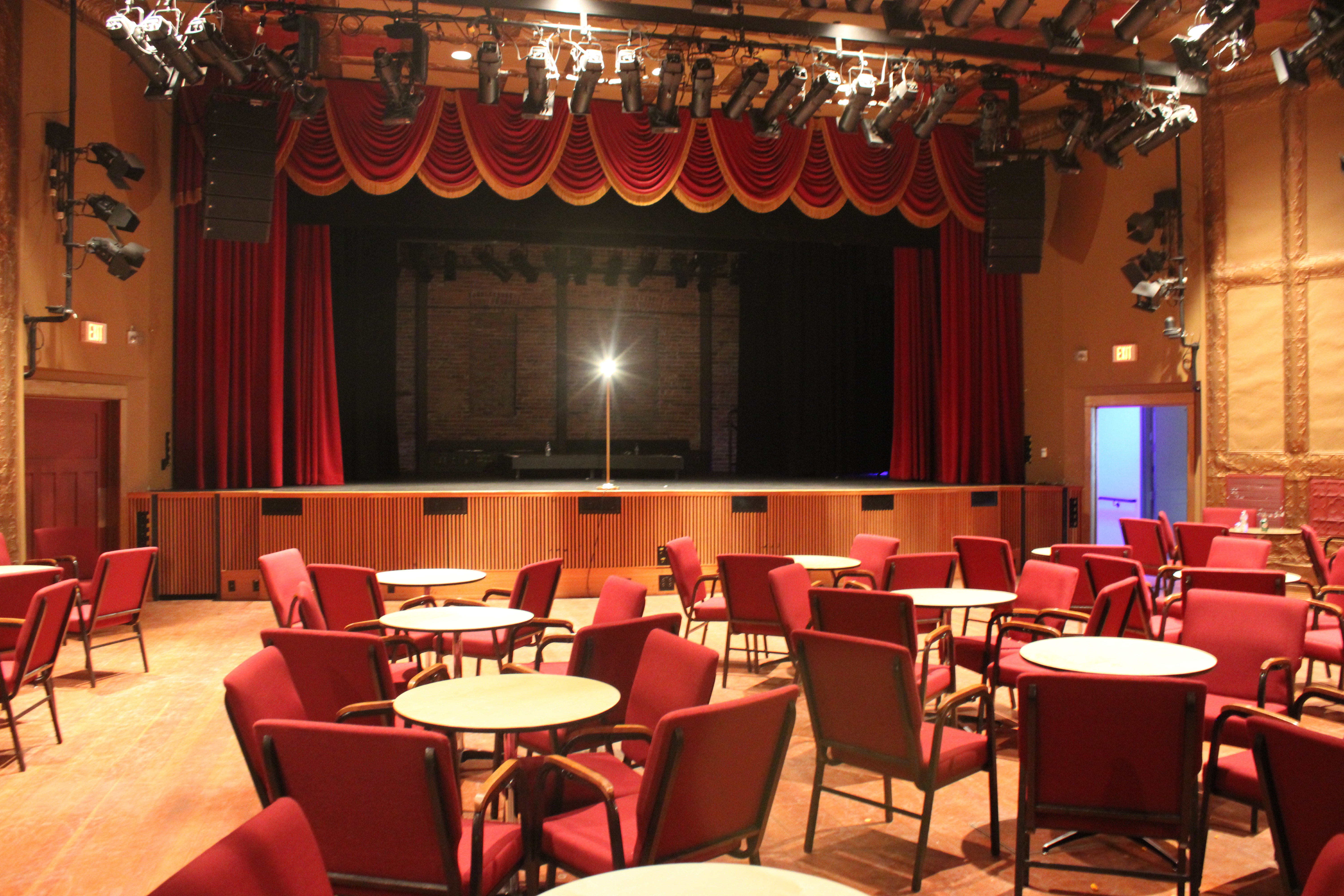
In the late 1880s, Camille David (DAH-vid) drove a herd of cattle from Manitoba to his ranch just southeast of Camrose. David would go on to own a cigar and liquor store and become a partner in the first Camrose hotel. Between 1910 and 1911, David financed the construction of the David Theatre. His goal was to have a local place in Camrose for local and visiting performers. Over the years, the theatre was used for musical performances, theatre productions, silent movies, vaudeville shows, Sunday school, boxing and wrestling matches, and Remembrance Day ceremonies.
In 1913, David sold the building to Stan Bailey, who renamed the building to the Bailey Theatre. In the 1930s, the Bailey Theatre's facade was extensively altered from the Edwardian Style to the Art Deco Style reflective of cinema architecture of the period. The changes included the addition of the exterior marquee tower, stucco, speed lines and black carrera glass. On the inside, a 120-seat curved balcony with stepped rows was added.
Performers such as the Georgia Minstrels, The Winnipeg Kiddies and New York-based San Carlo Opera Company signed the walls in the dressing rooms and left messages for other performers.
In the late 1880s, Camille David (DAH-vid) drove a herd of cattle from Manitoba to his ranch just southeast of Camrose. David would go on to own a cigar and liquor store and become a partner in the first Camrose hotel. Between 1910 and 1911, David financed the construction of the David Theatre. His goal was to have a local place in Camrose for local and visiting performers. Over the years, the theatre was used for musical performances, theatre productions, silent movies, vaudeville shows, Sunday school, boxing and wrestling matches, and Remembrance Day ceremonies.
In 1913, David sold the building to Stan Bailey, who renamed the building to the Bailey Theatre. In the 1930s, the Bailey Theatre's facade was extensively altered from the Edwardian Style to the Art Deco Style reflective of cinema architecture of the period. The changes included the addition of the exterior marquee tower, stucco, speed lines and black carrera glass. On the inside, a 120-seat curved balcony with stepped rows was added.
Performers such as the Georgia Minstrels, The Winnipeg Kiddies and New York-based San Carlo Opera Company signed the walls in the dressing rooms and left messages for other performers.
Share Did You Know Rudy Swanson Recreation Park Was an Army Base? on Facebook
Share Did You Know Rudy Swanson Recreation Park Was an Army Base? on X (formerly Twitter)
Share Did You Know Rudy Swanson Recreation Park Was an Army Base? on Linkedin
Email Did You Know Rudy Swanson Recreation Park Was an Army Base? link
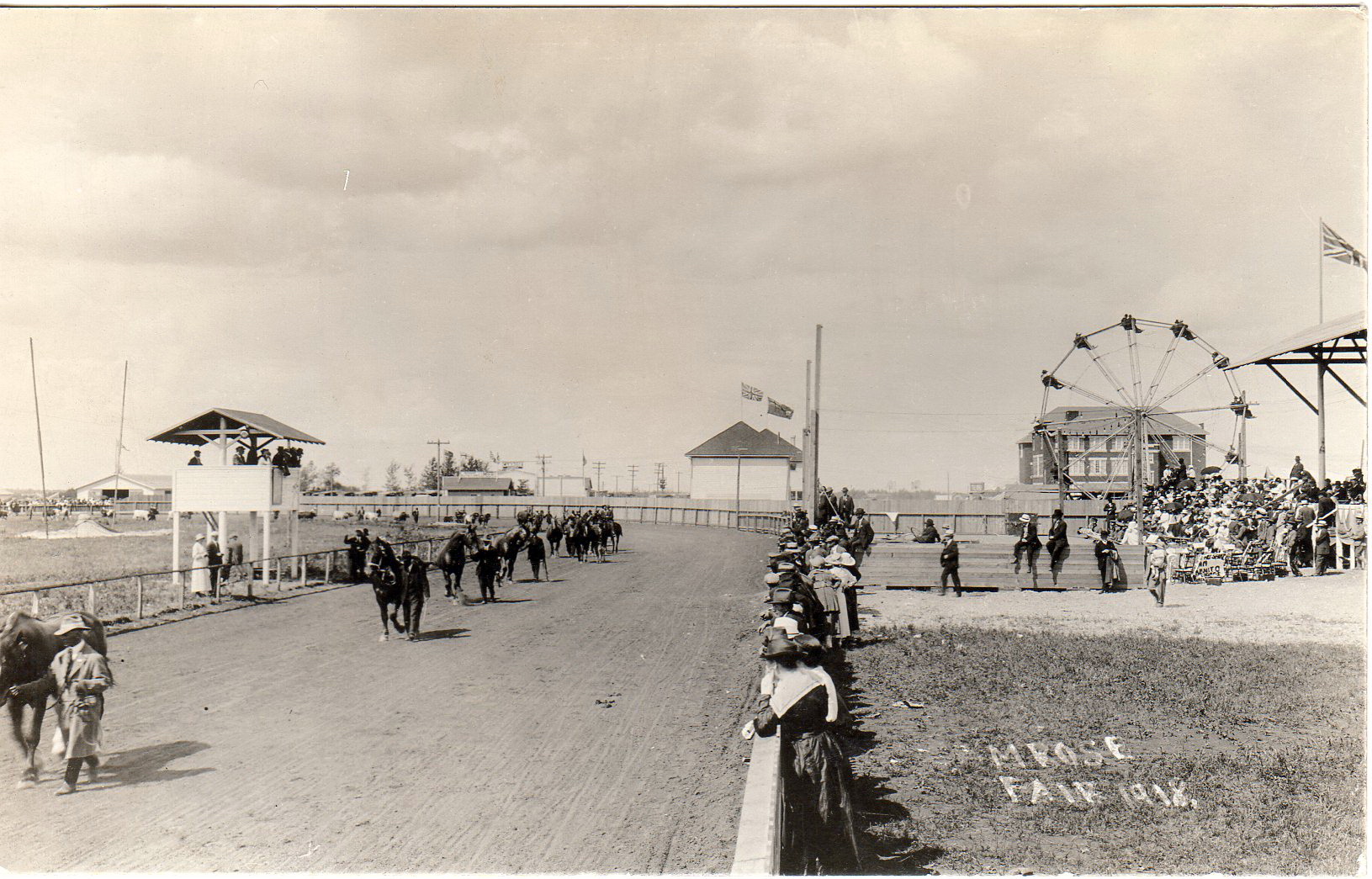
In July 1908, the Camrose Agricultural Society was founded and hosted the Town’s first fair at the site of the current Rudy Swanson Recreation Park. For the next thirty years, the site was home to a yearly agricultural fair which showcased livestock, new technology, equipment, and production. However, when the Second World War began, the fairgrounds were adapted for a different use – an army, naval, and air force training base!
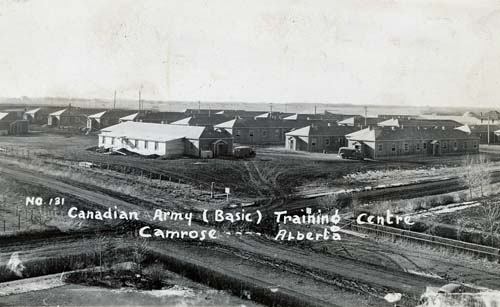
In 1940, the Camrose fairgrounds and the adjacent Normal School building were selected to become an army base. Approximately 10 H-shaped huts were built to accommodate trainees along with buildings for a mess quarters, medical services, and storage. Thousands of Canadian boys and men received their basic training at Canadian Army Training Centre No. 131 in Camrose with the community providing warm welcomes and entertainment for the trainees. After the war, the Camrose Agricultural Society was reinstated and began using the site again. In 1967, a recreational complex was added to the site.
This site is significant to the history of Camrose for both its connections to the tradition of farming and the Camrose Agricultural Society and its connection to Camrose’s contribution to the war effort during the Second World War.
In July 1908, the Camrose Agricultural Society was founded and hosted the Town’s first fair at the site of the current Rudy Swanson Recreation Park. For the next thirty years, the site was home to a yearly agricultural fair which showcased livestock, new technology, equipment, and production. However, when the Second World War began, the fairgrounds were adapted for a different use – an army, naval, and air force training base!
In 1940, the Camrose fairgrounds and the adjacent Normal School building were selected to become an army base. Approximately 10 H-shaped huts were built to accommodate trainees along with buildings for a mess quarters, medical services, and storage. Thousands of Canadian boys and men received their basic training at Canadian Army Training Centre No. 131 in Camrose with the community providing warm welcomes and entertainment for the trainees. After the war, the Camrose Agricultural Society was reinstated and began using the site again. In 1967, a recreational complex was added to the site.
This site is significant to the history of Camrose for both its connections to the tradition of farming and the Camrose Agricultural Society and its connection to Camrose’s contribution to the war effort during the Second World War.
Share What Is a Municipal Historic Area - and Why It Matters on Facebook
Share What Is a Municipal Historic Area - and Why It Matters on X (formerly Twitter)
Share What Is a Municipal Historic Area - and Why It Matters on Linkedin
Email What Is a Municipal Historic Area - and Why It Matters link
Alberta’s Historical Resources Act allows the council of a municipality to designate properties as Historic Resources within the municipality, after notifying the property owner, when preservation is considered to be in the public interest. Similarly, if preservation of the historical character of any part of the municipality is in the public interest, the council may designate part of the municipality as a Municipal Historic Area.
A Municipal Historic Area has a distinct sense of time and place created by a collection heritage resources and/or landscape or streetscape elements. The heritage value of these areas is connected in part to their concentration of multiple resources that share a physical, contextual, or historical link. Municipal Historic Areas may include historic downtowns or residential neighbourhoods, collections of buildings or structures associated with a particular industry, institution or group of people, and landscapes spanning multiple properties that may include elements like parks, gardens, and trails.
Designating a Municipal Historic Area allows the municipality to preserve the unique historic character of an area for future generations by guiding the use and development of land and the demolition, removal, construction, or reconstruction of buildings within the designated area.
Alberta’s Historical Resources Act allows the council of a municipality to designate properties as Historic Resources within the municipality, after notifying the property owner, when preservation is considered to be in the public interest. Similarly, if preservation of the historical character of any part of the municipality is in the public interest, the council may designate part of the municipality as a Municipal Historic Area.
A Municipal Historic Area has a distinct sense of time and place created by a collection heritage resources and/or landscape or streetscape elements. The heritage value of these areas is connected in part to their concentration of multiple resources that share a physical, contextual, or historical link. Municipal Historic Areas may include historic downtowns or residential neighbourhoods, collections of buildings or structures associated with a particular industry, institution or group of people, and landscapes spanning multiple properties that may include elements like parks, gardens, and trails.
Designating a Municipal Historic Area allows the municipality to preserve the unique historic character of an area for future generations by guiding the use and development of land and the demolition, removal, construction, or reconstruction of buildings within the designated area.
Share Celebrate Camrose: Our Heritage, Our Story on Facebook
Share Celebrate Camrose: Our Heritage, Our Story on X (formerly Twitter)
Share Celebrate Camrose: Our Heritage, Our Story on Linkedin
Email Celebrate Camrose: Our Heritage, Our Story link
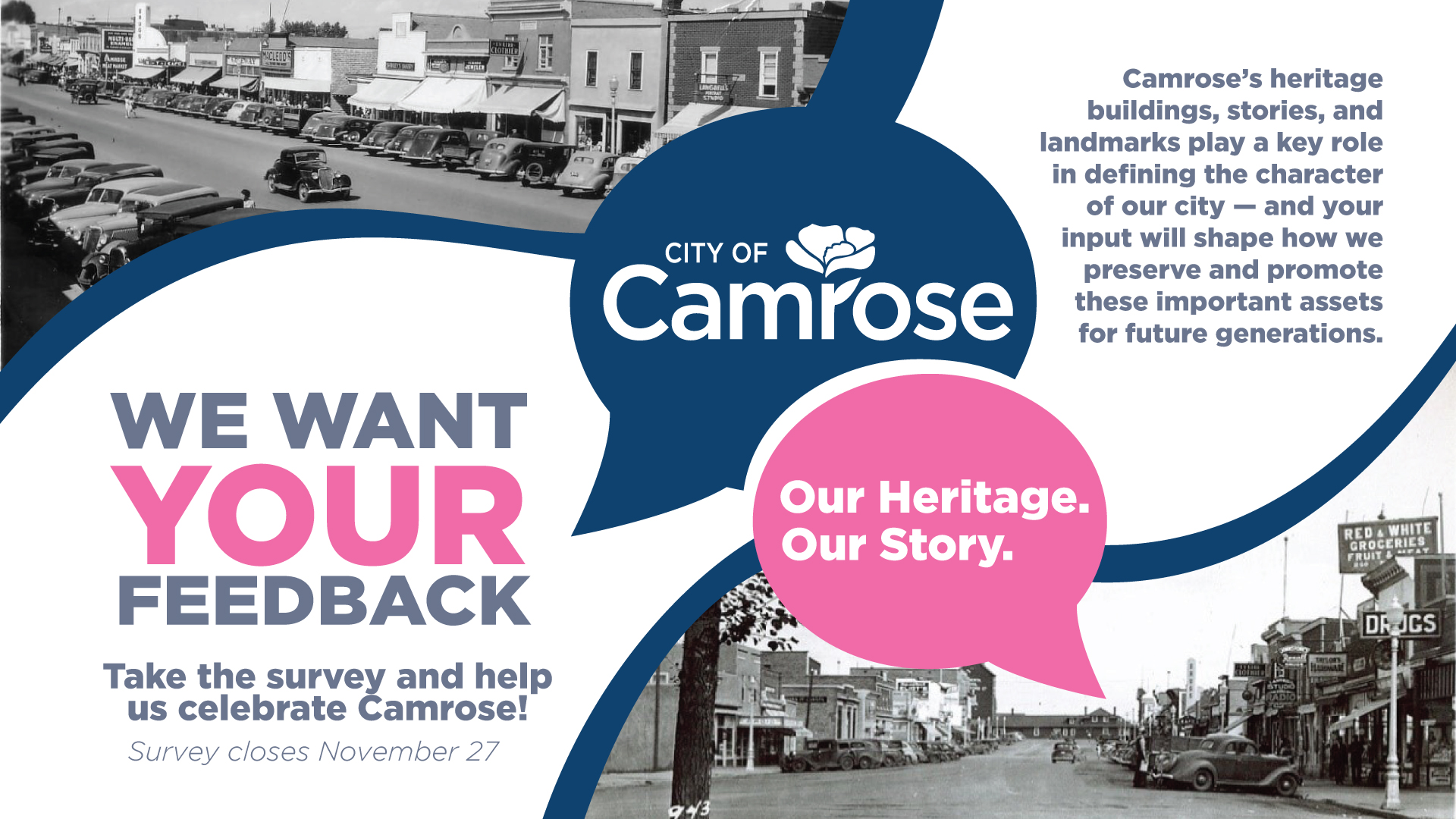
The City of Camrose and Stantec are inviting residents of Camrose to take part in an important Heritage Survey to help update the 2011 Heritage Survey and Inventory. The information gathered will help guide how we identify, celebrate, and protect our community’s unique history.
Camrose’s heritage buildings, stories, and landmarks play a key role in defining the character of our city — and your input will shape how we preserve and promote these important assets for future generations.
Your feedback will help the City better understand what places and stories matter most to residents. The survey only takes a fewContinue reading
The City of Camrose and Stantec are inviting residents of Camrose to take part in an important Heritage Survey to help update the 2011 Heritage Survey and Inventory. The information gathered will help guide how we identify, celebrate, and protect our community’s unique history.
Camrose’s heritage buildings, stories, and landmarks play a key role in defining the character of our city — and your input will shape how we preserve and promote these important assets for future generations.
Your feedback will help the City better understand what places and stories matter most to residents. The survey only takes a few minutes to complete and will be open until November 27.